What Are the Different Types of Slotting Machines Used in Metal Fabrication?
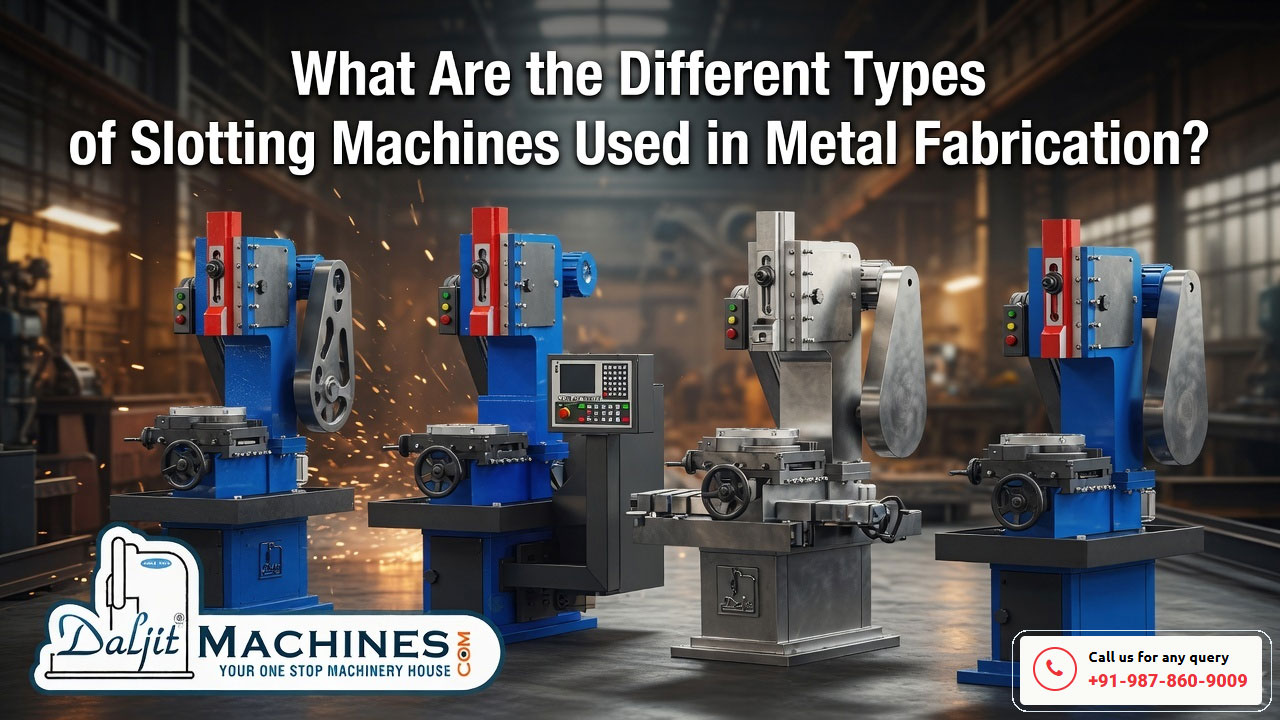
Metal fabrication industries depend on precision machining equipment to create slots, grooves, keyways, splines, and internal profiles in metal components. Among the most important machines used for these operations is the Slotting Machine. Designed to produce accurate vertical cutting motions, slotting machines play a critical role in engineering workshops, manufacturing plants, fabrication units, and heavy industries.
As manufacturing requirements have evolved, different types of slotting machines have been developed to handle various machining applications. Understanding these machine types helps manufacturers select the right solution for improved productivity and machining accuracy.
What Is a Slotting Machine?
A slotting machine is a reciprocating machine tool that uses a vertically moving ram and cutting tool to machine slots, grooves, keyways, internal gear teeth, and other precision features on metal workpieces.
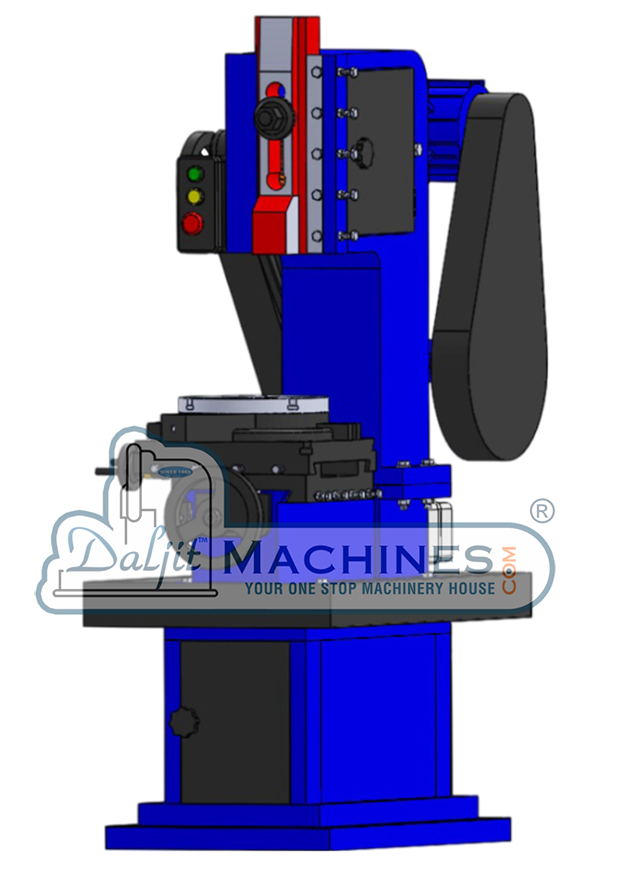
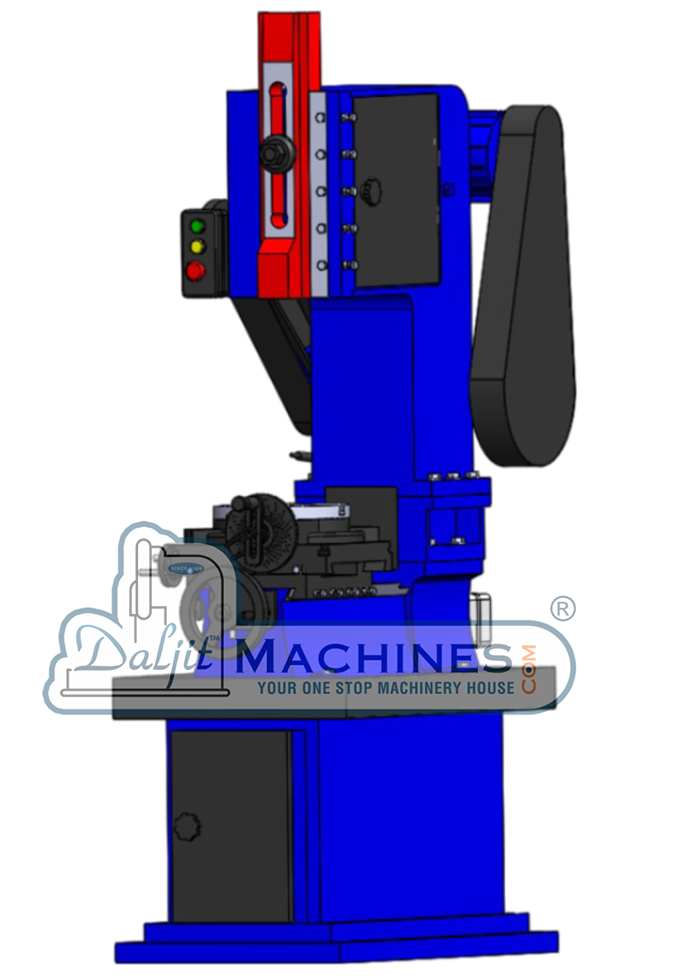
Cone Pulley Series Slotting Machines
Cone Pulley Series Slotting Machines are among the most widely used conventional slotting machines. These machines use a cone pulley drive system to provide different cutting speeds and are ideal for light to medium-duty machining operations.
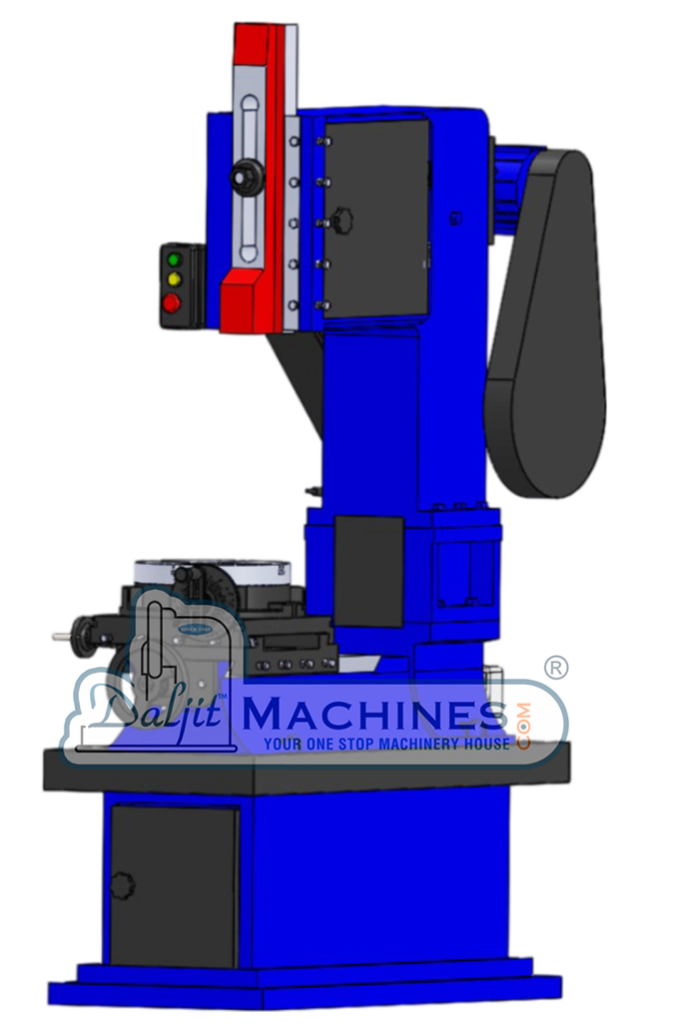
Advantages
- Simple construction
- Easy maintenance
- Cost-effective operation
- Reliable performance
- Suitable for workshops and tool rooms
Common models include:
- DLS-6 Cone Pulley Series Slotting Machine
- DLS-10 Cone Pulley Series Slotting Machine
- DLS-12 Cone Pulley Series Slotting Machine
Geared Head Heavy Duty Slotting Machines
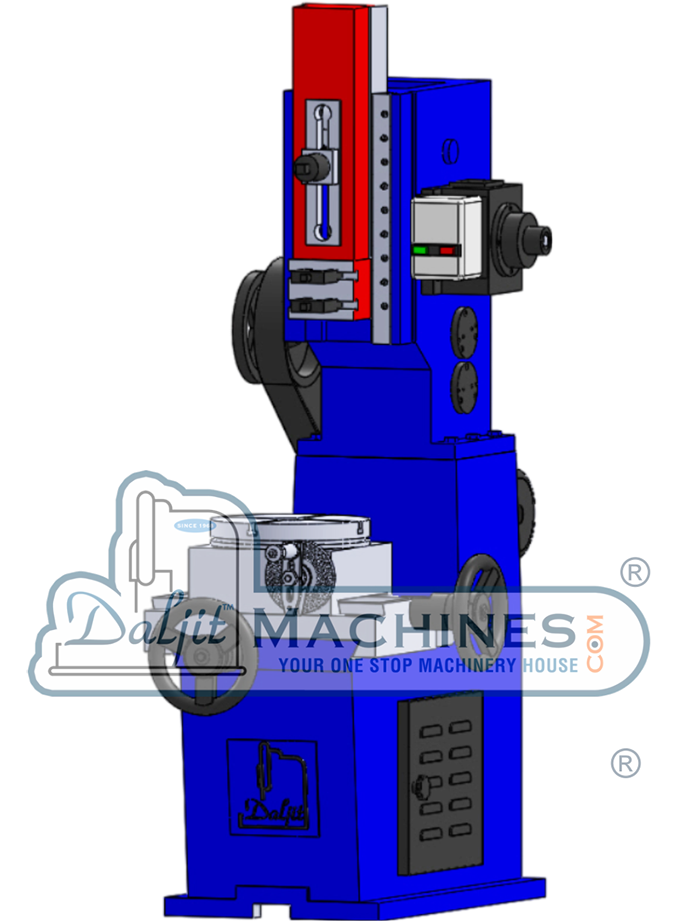
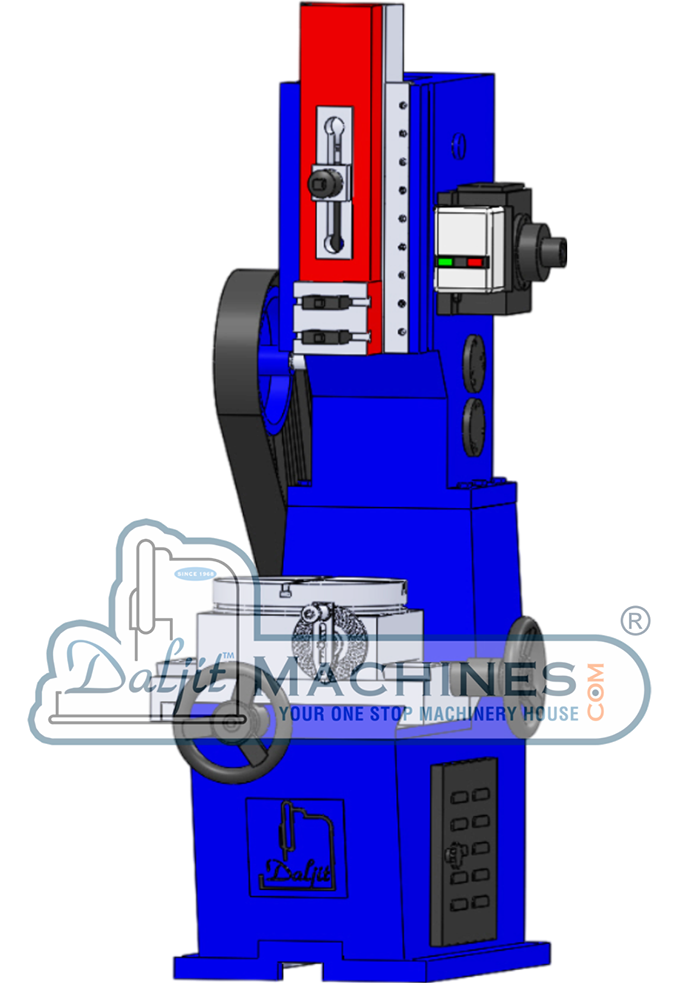
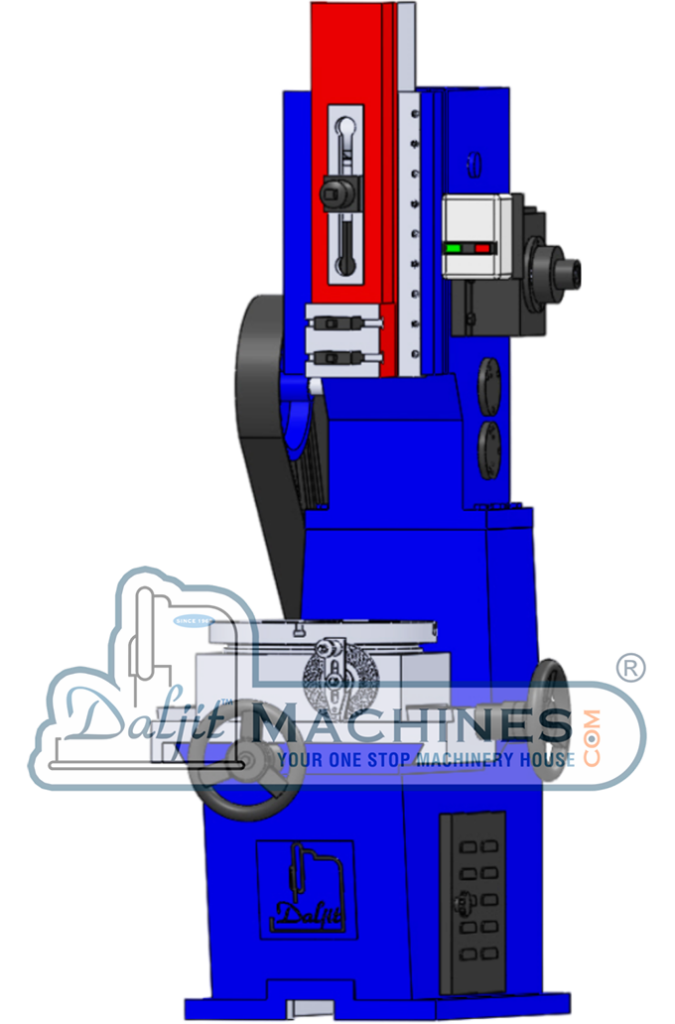
Geared Head Slotting Machines are designed for higher machining loads and improved cutting performance. Instead of pulley-based drives, these machines utilize precision-engineered gear systems for efficient power transmission.
Advantages
- Higher cutting torque
- Improved machining efficiency
- Suitable for heavy-duty applications
- Smooth and stable operation
- Long service life
These machines are widely used in industrial production environments requiring continuous machining operations.
Extra Heavy Duty Slotting Machines
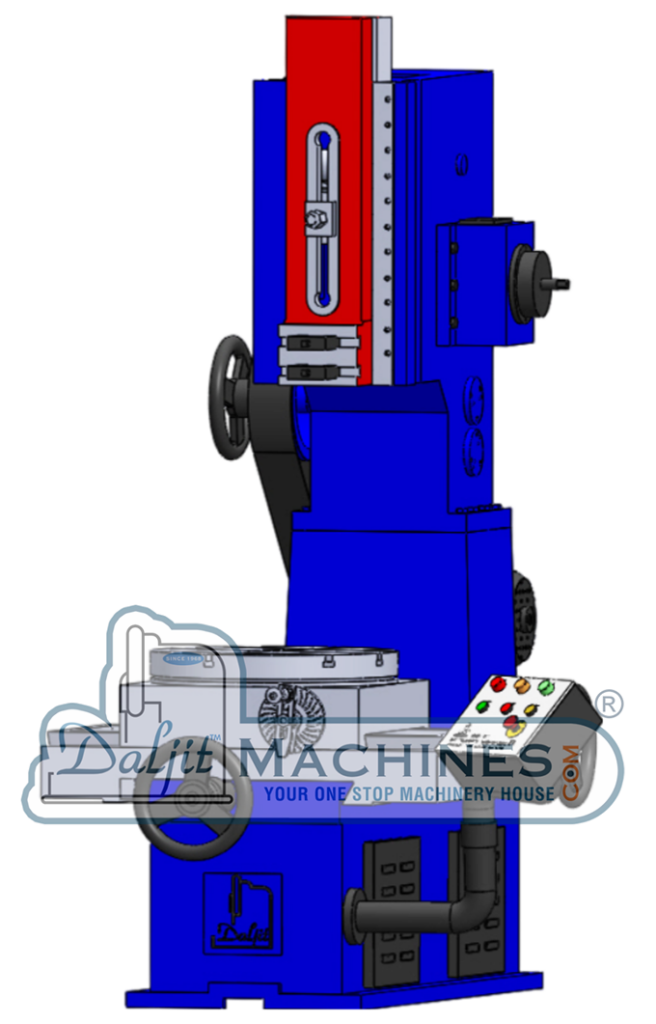
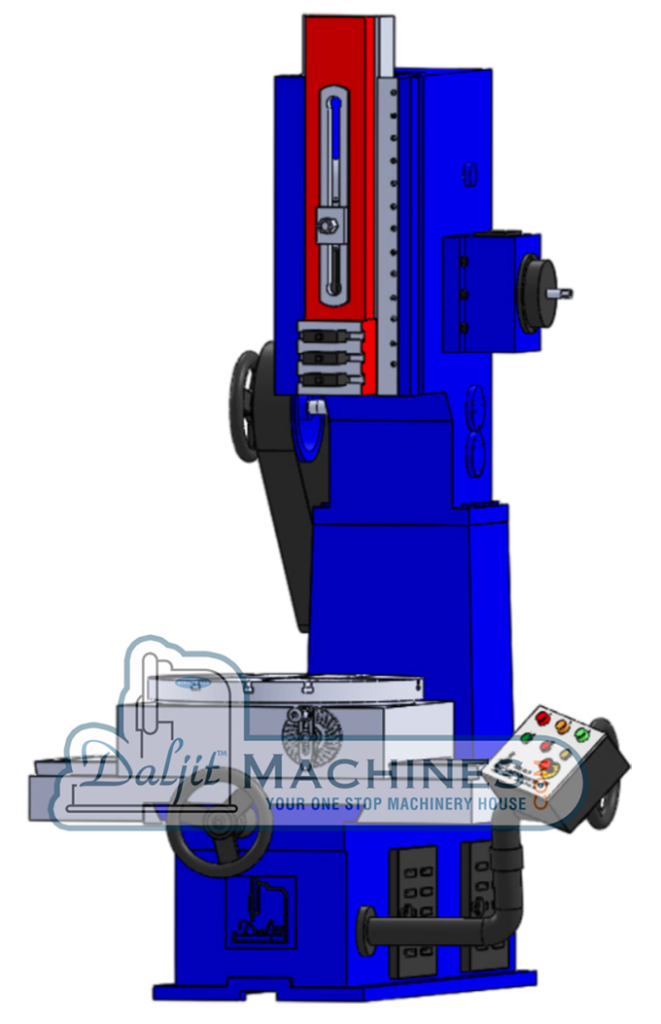
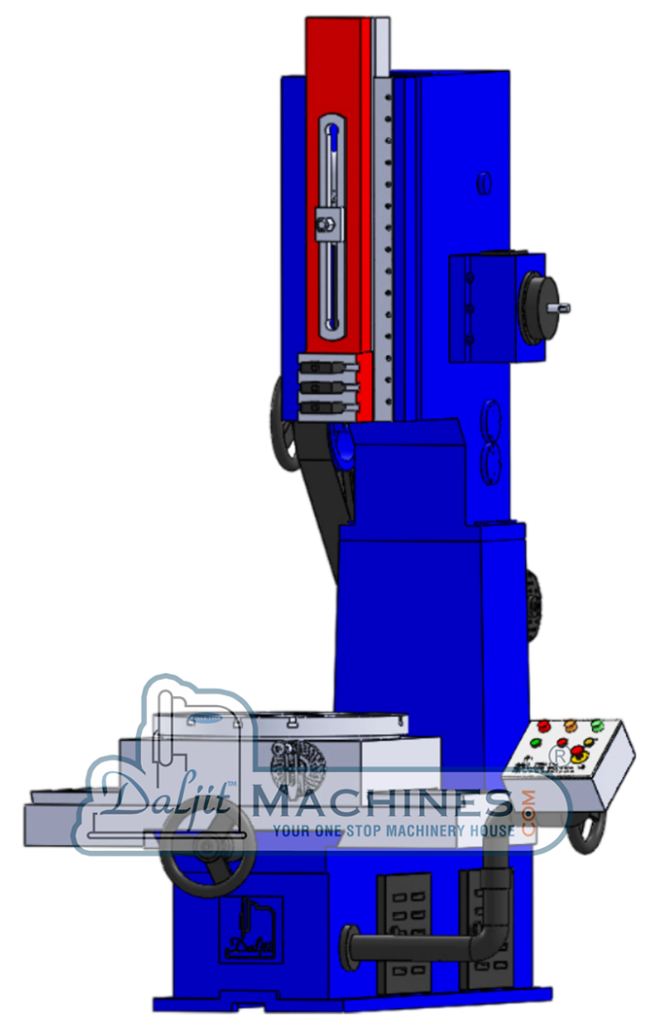
Extra Heavy Duty Slotting Machines are specifically developed for machining large and heavy workpieces. They feature robust machine structures, larger stroke capacities, and powerful drive systems.
Advantages
Suitable for large components
High rigidity and stability
Reduced vibration during machining
Greater stroke capacities
Heavy industrial applications
Popular models include:
- DS-18 Extra Heavy Duty Slotting Machine
- DS-24 Extra Heavy Duty Slotting Machine
- DS-30 Extra Heavy Duty Slotting Machine
Rotary Autofeed Slotting Machines
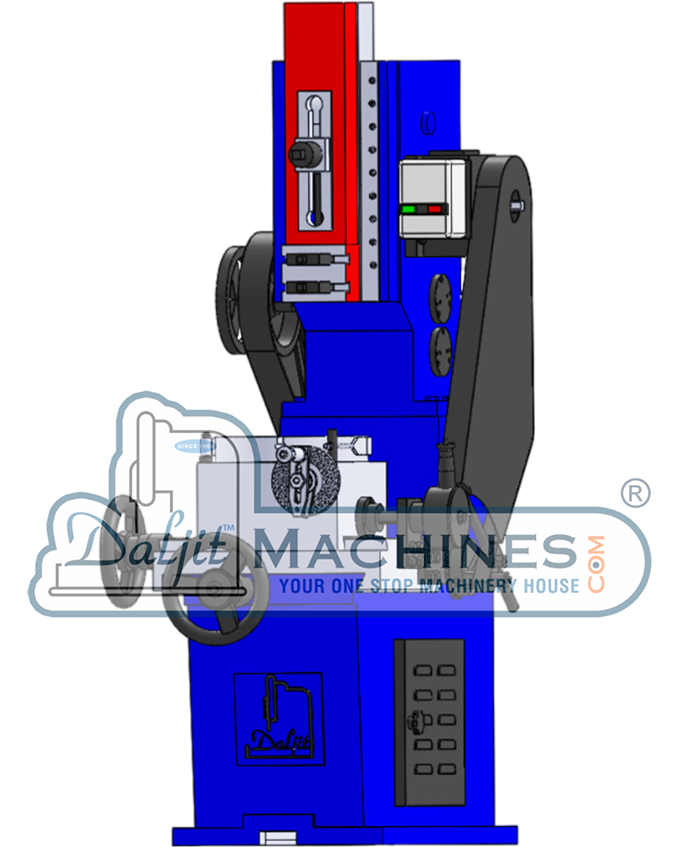
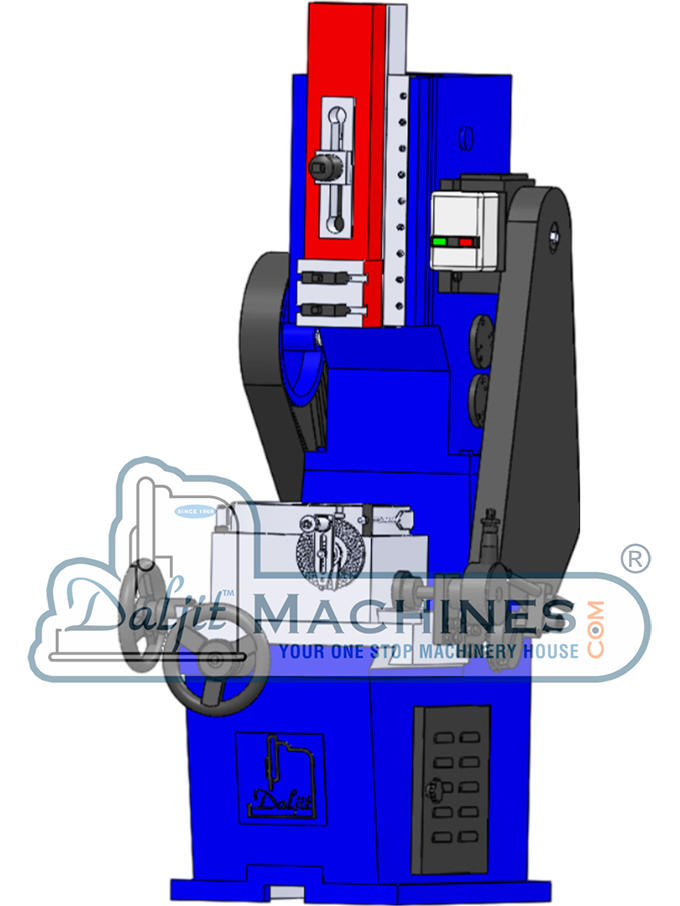
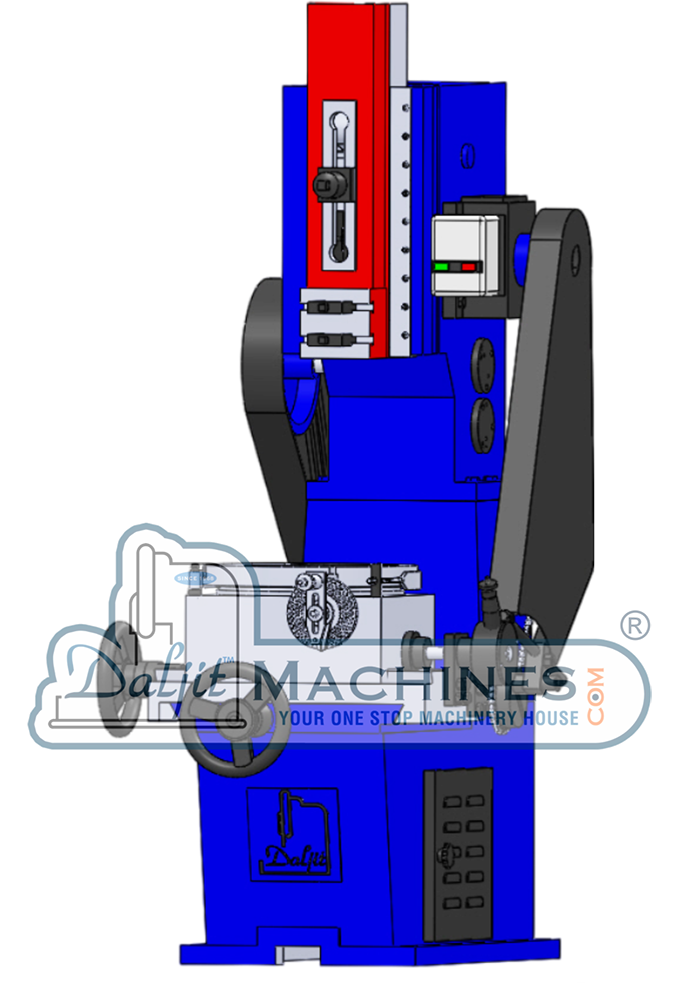
Rotary Autofeed Slotting Machines are equipped with automatic rotary table feed mechanisms that improve machining consistency and productivity.
Advantages
- Automatic table movement
- Reduced operator effort
- Improved production efficiency
- Better machining accuracy
- Suitable for repetitive operations
These machines are commonly used in production environments where multiple components require similar machining operations
2 Axis CNC Slotting Machines
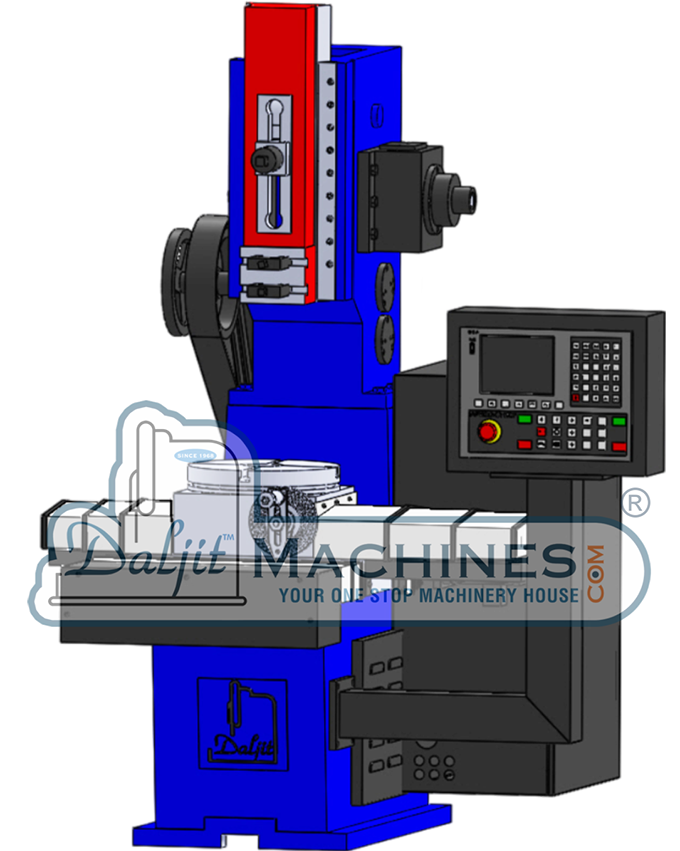
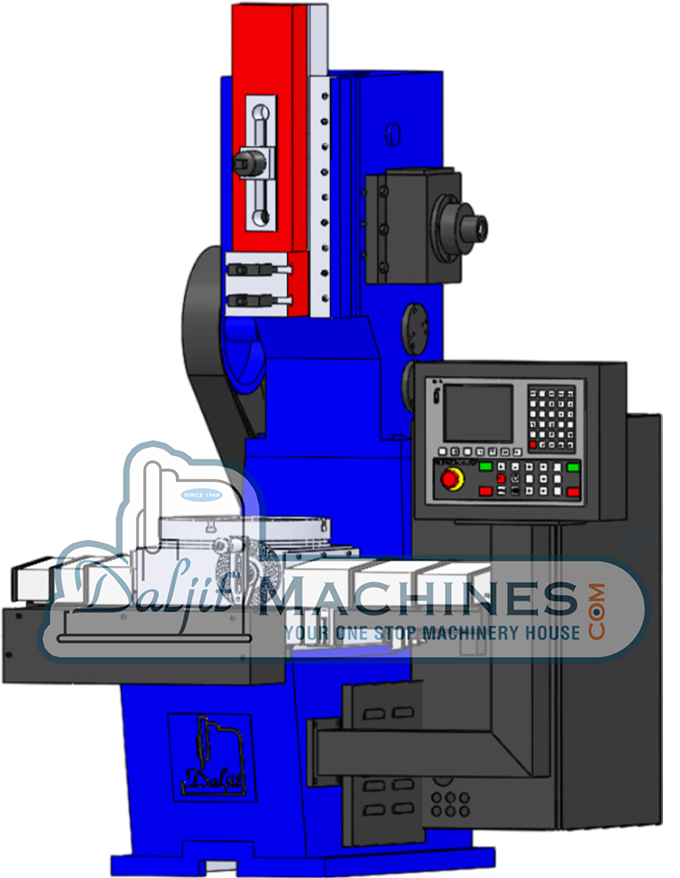
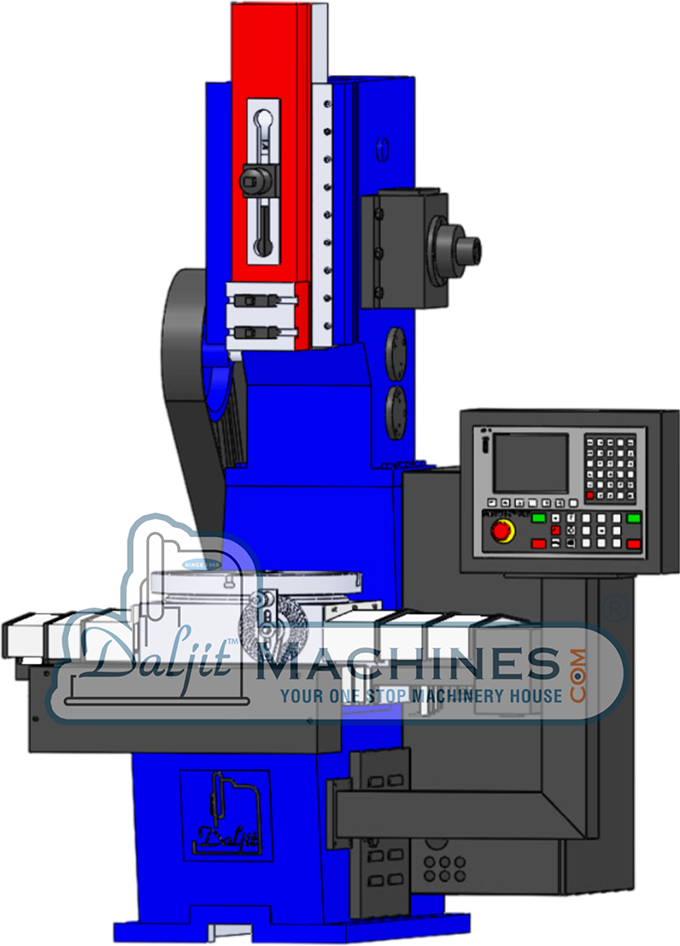
2 Axis CNC Slotting Machines provide automatic control of X and Y axis movements, allowing manufacturers to perform complex slotting operations with high precision.
Advantages
- CNC-controlled machining
- Accurate positioning
- Repeatable production quality
- Faster machining cycles
- Reduced setup time
These machines are suitable for precision engineering applications requiring tight tolerances.
3 Axis CNC Slotting Machines
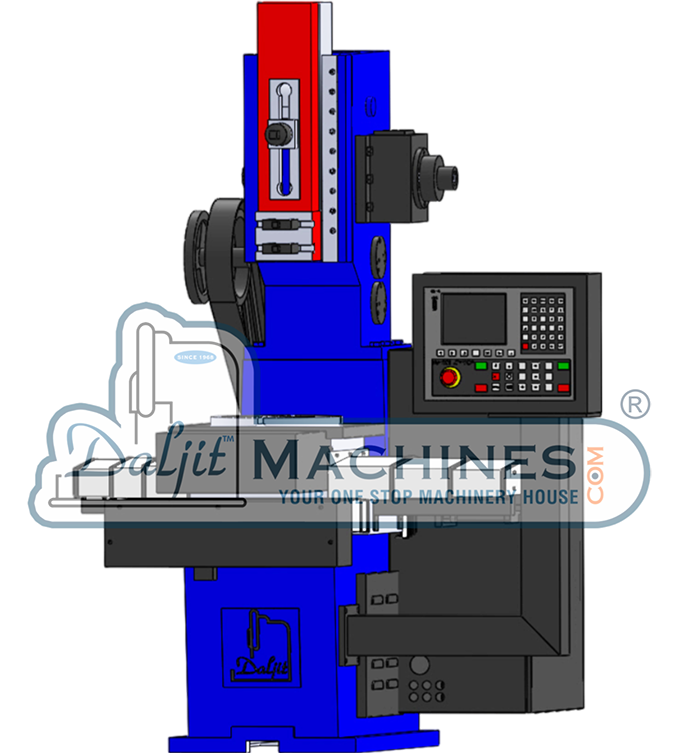
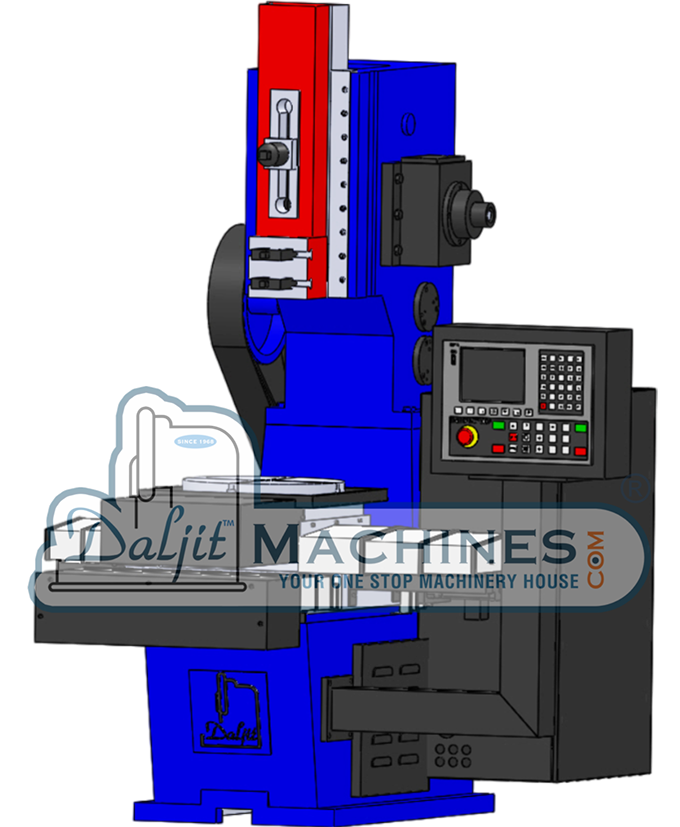
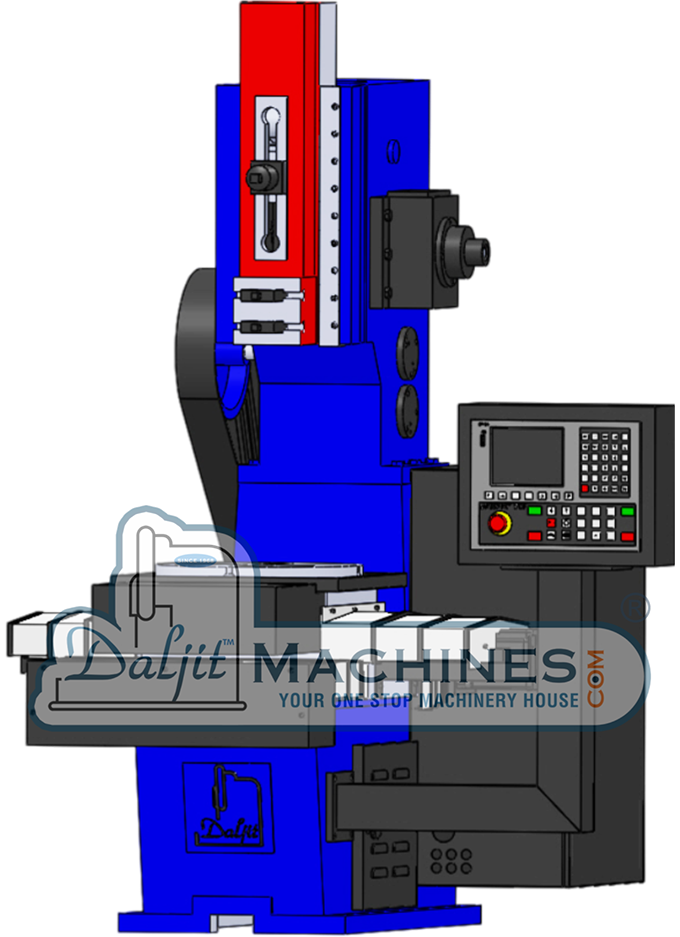
3 Axis CNC Slotting Machines offer advanced machining capabilities by controlling multiple machine movements simultaneously. They are designed for complex machining applications and high-volume production environments.
Advantages
- Advanced automation
- Complex machining capabilities
- High production efficiency
- Superior machining accuracy
- Reduced operator dependency
Industries requiring advanced manufacturing solutions increasingly rely on CNC slotting technology.
Choosing the Right Slotting Machine
The selection of a slotting machine depends on several factors:
Production Volume
High-volume production generally benefits from CNC and autofeed machines.
Workpiece Size
Larger components require heavy-duty or extra heavy-duty slotting machines.
Machining Complexity
Complex profiles and precision operations are best handled by CNC-controlled systems.
Budget Considerations
Conventional Cone Pulley Series machines remain a cost-effective solution for many workshops.
Automation Requirements
Manufacturers seeking higher productivity often choose PLC or CNC slotting machines.
Why Slotting Machines Remain Essential in Metal Fabrication
Despite advancements in manufacturing technologies, slotting machines continue to play an important role because they can efficiently perform operations that are difficult to achieve using other machine tools.
Key applications include:
- Internal keyway cutting
- Gear slotting
- Internal splines
- Precision grooves
- Die and mould work
- Fabrication components
Their versatility makes them an indispensable part of many machining operations.
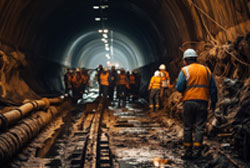
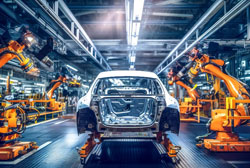
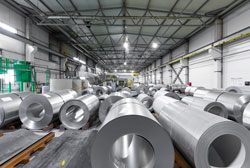
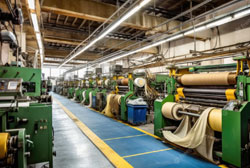
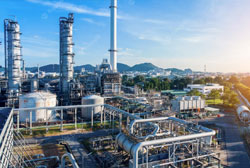
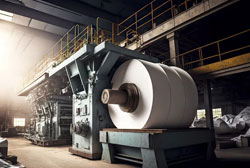
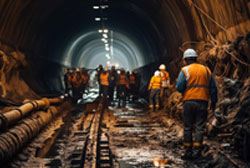
These machines are widely used in:

Conclusion
Slotting machines continue to be one of the most important machine tools used in metal fabrication industries. From conventional Cone Pulley Series machines to advanced 3 Axis CNC Slotting Machines, each type offers unique advantages for different manufacturing requirements. By understanding the various types of slotting machines available, manufacturers can select the most suitable solution for their production needs and achieve higher levels of productivity, accuracy, and operational efficiency.