Daljit Machines
Milling Machines for Productive Metalworking
Daljit milling machines are built to shape, surface, and finish workpieces with precision, helping workshops handle turning, facing, and milling operations with stable spindle performance and strong construction.
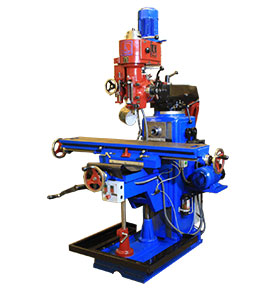
About the Machine
Why Milling Machines Matter in Industry
Milling machines are used across many industries to create shapes and sizes with precision. Their size, power, and build quality vary, so selecting the right machine is important for productivity and surface finish. The cutter installed on the machine allows it to perform multiple material removal tasks with reliable control.
A milling process typically uses end mills and other cutting tools made from highly resistant materials with extended cutting surfaces that reduce friction and support longer service life.
Universal horizontal milling machines support angular and helical machining, while vertical milling machines are preferred for more professional metalwork and versatile output on workpieces. The basic difference between them comes from spindle orientation and degree of motion.
When the spindle works in the Y-axis, it is generally a vertical milling machine, and when it works in the X-axis, it is a horizontal milling machine. Daljit machines are built to raise output quality while saving machining time.
Machine Range
Our Milling Machines
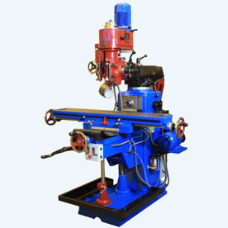
Ram Turret Milling Machine DVM-1
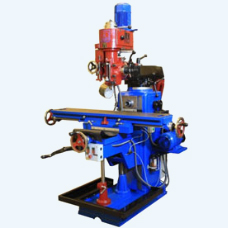
Ram Turret Milling Machine DVM-2
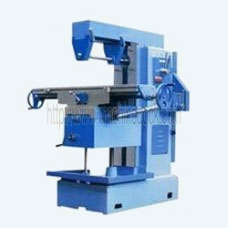
Milling Machine 1.5 No.
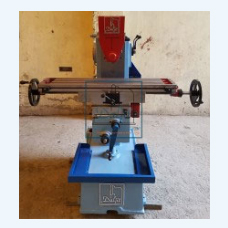
Auto Table 177 x 810 mm
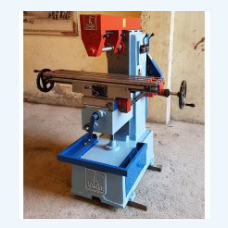
Auto Table 230 x 1016 mm
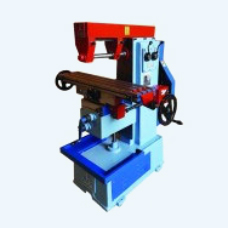
Horizontal Milling Machine With One Feed Auto
Machine Benefits
Built for Accuracy and Flexible Machining
- Spindle orientation options for vertical and horizontal milling work
- High resistance cutters with extended cutting surfaces for low friction
- Suitable for creating shapes, sizes, slots, and angular machining forms
- Useful for universal, horizontal, and professional vertical metalwork
- Productivity-focused design for workshop and industrial applications
Applications
Vertical and Horizontal Milling Roles
Horizontal milling: useful for angular machining, helical work, wider stock handling, and steady material removal in long production cycles.
Vertical milling: suited for professional metalworking where users need broader result options, controlled surfacing, and flexible cutter movement on workpieces.